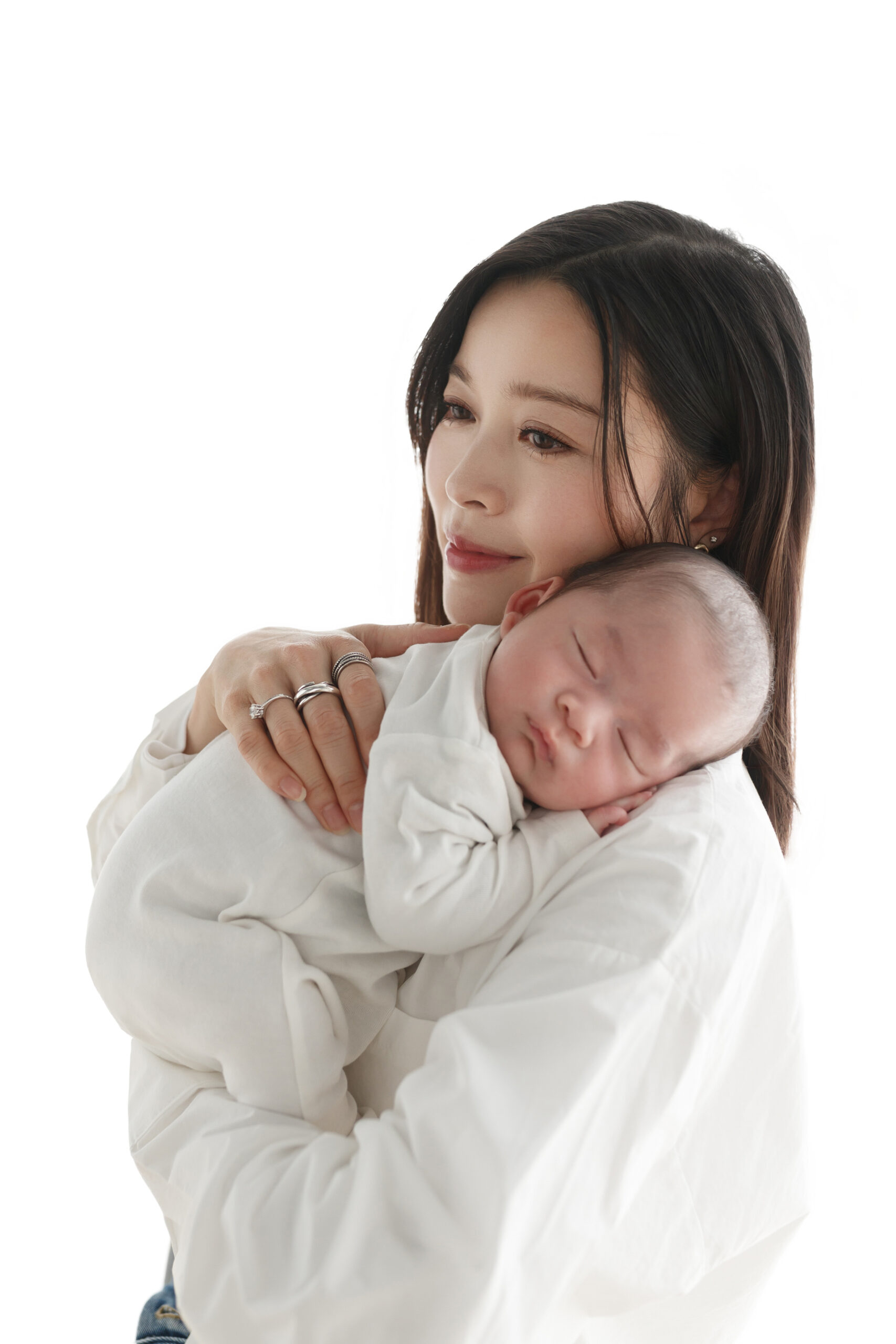

Postpartum confinement refers to the recuperation period a woman takes after giving birth, usually within 42 days.
The traditional practice of sitting confinement is common in some Asian cultures, such as China, Taiwan, Hong Kong and Malaysia.
This custom believes that confinement can help women recover and regulate their internal organs.
At the same time, it can also take care of the growth of the newborn and the parent-child relationship between mother and baby.

Here are some common practices and uses of confinement:
1. Physical recovery: During the confinement period, women can get enough rest to fully recover and repair their bodies. Childbirth has caused certain burdens and damage to women’s bodies. Confinement can provide a good environment and recuperation to promote the recovery of the body.
2. Toning up internal organs: During the confinement period, women usually follow certain diets and health care methods to promote the conditioning and functional recovery of internal organs. For example, according to traditional customs, women will eat foods that help replenish blood and nourish the body, and avoid cold and irritating foods.
3. Enhance immunity: After giving birth, women’s immune system may be weaker and more susceptible to infection and disease. During the confinement period, proper rest, diet and health care measures can enhance women’s immunity and reduce the risk of disease.
4. Promote the mother-infant relationship: During the confinement period, women can devote themselves to the process of taking care of the newborn baby and establish a close relationship between mother and baby. At the same time, confinement also provides a relatively closed environment, reducing external interference, which is conducive to emotional communication and mutual adaptation between mother and baby.
It is important to note that the practice and specific content of confinement may vary due to cultural differences. In addition, modern medicine has some different views on the benefits and necessity of confinement. When deciding whether to sit on the moon, it is recommended to consult a doctor or professional health care personnel to ensure that it meets personal health needs and cultural background.
4. Promote the mother-infant relationship: During the confinement period, women can devote themselves to the process of taking care of the newborn baby and establish a close relationship between mother and baby. At the same time, confinement also provides a relatively closed environment, reducing external interference, which is conducive to emotional communication and mutual adaptation between mother and baby.

In addition, the following are some common health care measures suitable for postpartum mothers to enhance immunity:
1. Eat a healthy diet: During confinement, it is important to eat a nutritious, balanced diet to boost your immune system. It is recommended to eat fresh vegetables, fruits, whole grains, high-quality protein (such as fish, poultry, beans), and healthy fats (such as olive oil, nuts). Avoid excessive intake of high-sugar and high-fat foods, as well as overly processed and fried foods.
2. Supplement nutrients: Specific nutrients can help enhance the function of the immune system. For example, vitamin C, vitamin D, zinc and iron are essential for the normal functioning of the immune system. Under the guidance of a doctor or health care professional, you can consider supplementing these nutrients in appropriate amounts.
3. Get enough rest: Good sleep is essential for boosting immunity. Try to maintain a regular sleep schedule and get enough rest to help your body recover and your immune system function properly.
4. Moderate exercise: Moderate physical activity can enhance the function of the immune system. According to your personal physical condition, you can choose suitable light exercise, such as walking, yoga or postpartum recovery exercise. Avoid excessive fatigue and strenuous exercise to avoid adverse effects on the body.
5. Maintain good hygiene habits: Good hygiene habits can reduce the spread of germs and the risk of infection. During the confinement period, pay special attention to maintaining personal hygiene, wash your hands frequently, keep the room ventilated, and regularly clean and disinfect commonly used items.
6. Reduce stress: Long-term stress and anxiety may weaken the function of the immune system. During the confinement period, try to reduce unnecessary stress and anxiety. You can relieve stress through relaxation techniques, meditation, deep breathing, or communicating with relatives and friends.
It is important to remember that the above advice is only a general guide and may not apply to everyone. Everyone’s physical condition and needs are different, so it is best to consult a doctor or healthcare professional during the confinement period to develop a personal care plan.